UlasanAnime.com – The anime series “Demi-chan wa Kataritai” (Interviews with Monster Girls) has sparked discussions about its portrayal of characters with unique challenges, prompting a deeper look into its narrative and thematic elements.
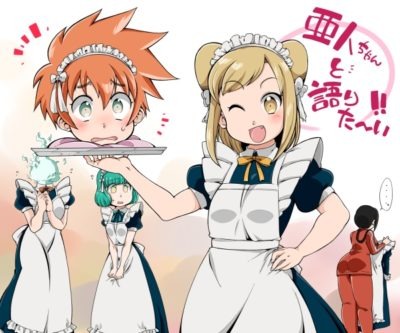
The series offers a fresh perspective on how fantastical characters can serve as parallels to real-world issues. Instead of directly equating these characters to specific conditions, the anime uses their unusual daily struggles to foster empathy and appreciation for individuals who differ from the norm.
This approach allows viewers to recognize that people with unique circumstances may face challenges that are not immediately apparent or easily understood by others. The narrative encourages a more nuanced understanding, moving beyond simplistic comparisons.
The anime’s cultural context also plays a significant role in its reception. Within Japan’s relatively homogeneous society, the thematic concerns presented in the manga might resonate differently compared to more ideologically and racially diverse regions.
The series cleverly shifts the analysis from potentially simplistic interpretations, such as plain racism, towards a more complex examination of ableism. This is achieved by grounding the fantastical elements in everyday life, forcing a deeper consideration of societal attitudes and perceptions.
You might also be interested in : Why the Yakkai Eventer is Complicated
One of the standout characters is the succubus, who navigates her existence while carefully managing her special powers to avoid causing discomfort to those around her. Her efforts are portrayed with a charming sincerity that contributes to the series’ appeal.
This aspect of the narrative creates a sense of “gap moe,” a phenomenon where an unexpected or contrasting characteristic evokes affection. It’s a testament to the anime’s ability to present something genuinely new and unusual within familiar storytelling tropes.
This unique blend of elements is what makes “Demi-chan wa Kataritai” a compelling watch for many, offering a narrative that is rarely seen in Western multimedia productions. The series succeeds in its goal of exploring diverse experiences through a captivating fantasy lens.
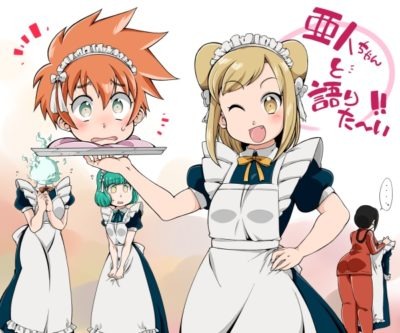
The author also touches upon the possibility of discussing the characters if they were akin to X-Men, but ultimately emphasizes the strength of the “daily-life take” in prompting a more profound analysis. This approach elevates the conversation beyond superficial comparisons.
The series’ ability to make these nuanced points is a significant achievement. It encourages viewers to think critically about how they perceive and interact with individuals who have different life experiences.
The succubus character, in particular, embodies the series’ core themes. Her struggle to balance her nature with societal expectations is a powerful metaphor for anyone trying to fit in while embracing their true selves.
This narrative choice is a key reason why many are drawn to anime. The medium allows for the exploration of complex ideas in ways that are both entertaining and thought-provoking, offering stories that might not be conceived or produced elsewhere.
The series’ success lies in its ability to create relatable situations from extraordinary circumstances. It’s a delicate balance that “Demi-chan wa Kataritai” manages with considerable skill and charm.
The author concludes by mentioning their preparations for an upcoming event, hinting at further discussions and analyses to come.