UlasanAnime.com – The passing of Roger Ebert last week marked the end of an era for film criticism. He was more than just a critic; he elevated the role of a movie reviewer to a prominent position, making it a respected profession. While his personal opinions didn’t always align with mine, his dedication to the craft of reviewing and his prolific output were truly commendable. Through his concise reviews, I often discovered films I might otherwise have missed, and frankly, might not have wanted to watch. It’s his unwavering consistency, approach, and critical eye that truly deserve recognition.

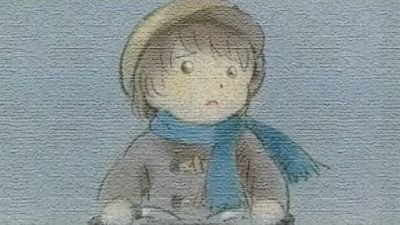
One particular aspect of Ebert’s critical legacy that resonated with me was his high regard for “Grave of the Fireflies.” He consistently placed it on a pedestal, even naming it his favorite Ghibli film. This sentiment lingered with me because I only watched “Grave of the Fireflies” for the first time relatively recently. For a long time, I pondered how it held up against the immense expectations and warnings that often accompany such acclaimed and emotionally charged films. Upon viewing it, everything became clear; it undeniably deserves its place among his “100 Great Movies.”
Furthermore, I believe “Grave of the Fireflies” serves as a profound illustration of what I term “anime no chikara,” or the inherent power of the animation medium. This encompasses its unique style, format, and storytelling capabilities.
You might also be interested in : Sasami-san@Ganbaranai
In his review of “Grave of the Fireflies,” Ebert eloquently articulated the reasons behind his deep appreciation for the film. He meticulously detailed what elevates “Grave of the Fireflies” to greatness – the “chikara” aspect. He highlighted how animation allows for a cinematic exploration of the torturous fate of two war orphans during World War II in Japan. His insights, scattered throughout the review, touch upon the boundless imagination and the ability to convey authentic human emotions without the strict limitations of realism.
This contrasts with a later reflection in Ebert’s review of another impactful anime film, “Tokyo Godfathers”:
…the themes are so harrowing that only animation makes them possible. I don’t think I’d want to see a movie in which a real baby had the adventures this one has.
Indeed, from a narrative standpoint, “Tokyo Godfathers” is a film that truly benefits from the unique possibilities offered by animation. It’s always fascinating to observe a prominent and accessible film critic like Ebert attempting to explain the nuanced expressiveness of “real” anime to a mainstream Western audience. However, the power of anime often shines brightest when it tackles the most harrowing, tragic, and even depressing subjects.
One wonders if scholarly papers have explored the influence of Japan’s collective trauma on such narratives. Regardless.

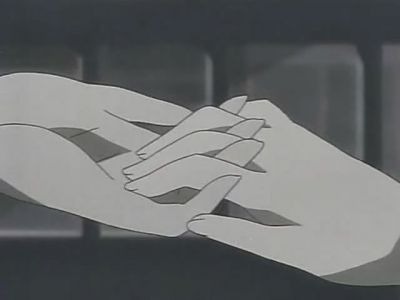
Of course, this doesn’t imply that all somber anime films are inherently successful. Credit must be given to Isao Takahata for “Grave of the Fireflies,” which also possessed a patient, measured, and poetic rhythm that is rare in anime. It’s not merely a slice-of-life portrayal for its own sake; its impact is amplified when presented within the quietude of everyday existence. The film’s power is driven by a creeping realization of hopelessness, rather than the melodrama of exasperation. It is in the subtle moments, like Setsuko playing with mud, that our hearts are truly rent, not because of the inconvenience of, for instance, commuting in “Tokyo Magnitude 8.0” (though that’s just an immediate example that comes to mind).
On a more uplifting note, it’s worth mentioning that Satoshi Kon’s most critically acclaimed film on Rotten Tomatoes is “Millennium Actress.” Ebert, unfortunately, never reviewed this particular gem. The news of Ebert’s passing also brings to mind the loss of Satoshi Kon, as, in my view, both represent pivotal figures for anime in cinema from a Western perspective in the 21st century. I can only hope that new voices will emerge soon to challenge and expand this perspective.