UlasanAnime.com – Little Witch Academia (LWA) originally began as a short anime produced by Studio Trigger, a relatively new studio comprised of both emerging and experienced animators, many of whom have connections to the acclaimed Gurren Lagann. This project was notably funded by government grants aimed at fostering new talent in the animation industry. Following its screening at various events, LWA quickly gained traction on YouTube, prompting significant interest from international audiences.
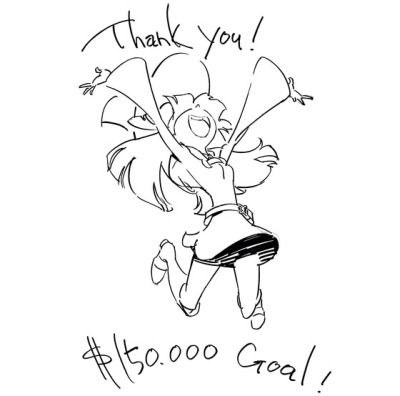
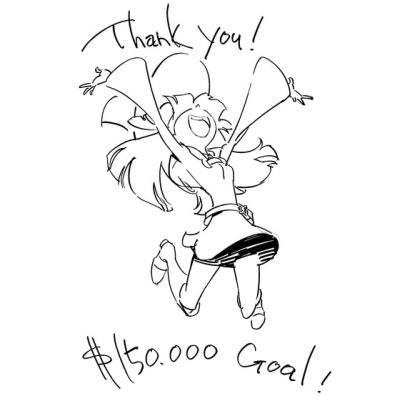
Responding to this overseas enthusiasm, Studio Trigger explored crowdfunding, specifically through Kickstarter, to support the production of a second episode. The initial OAV-length episode was met with a highly positive reception.
You might also be interested in : Anime Expo 2013: A Summary
At Anime Expo 2013, an announcement was made regarding the Kickstarter campaign for episode two. Upon closer examination of the campaign details, some aspects presented a somewhat perplexing picture.
The Kickstarter campaign was specifically for an extension of episode two, which had already received the green light for production. It was presumed that any funds raised beyond the initial goal would be channeled into further developing the Little Witch Academia franchise in some capacity, a common practice given the studio’s location in Japan and their commitment to responsible use of public funds within a private context.
Specific details regarding the additional content planned for LWA episode two, in contrast to what was already promised, were not extensively elaborated upon. When compared to projects like Production I.G.’s “Kick Heart,” which was more akin to a pure art film, LWA possessed a broader mainstream appeal. This was particularly noteworthy considering Studio Trigger’s status as a rising star studio, with the highly anticipated “Kill La Kill” also on the horizon. This led to some questioning whether LWA truly required a Kickstarter campaign, drawing parallels to situations where established entities might seek crowdfunding unnecessarily.
This situation highlights a broader discussion about the role of platforms like Kickstarter in funding anime projects. While it’s generally a positive development to see more anime studios utilizing Kickstarter as a means of financing their work, it’s crucial to maintain a degree of scrutiny, as with any crowdfunding initiative. However, there’s a case to be made for offering anime studios a bit more leniency, given that the traditional funding models within the industry have often been cited as a root cause of its persistent challenges. Engaging with fans through such platforms, despite the potential gamble and the need to maintain a professional image, might be a worthwhile endeavor if it’s the primary downside.
This particular discussion was prompted by the author’s extended efforts to document their experiences at Anime Expo, where the possibility of “Little Witch Academia” potentially evolving into a full television series was even mentioned during a private screening. This added another layer to the ongoing conversation surrounding the franchise’s future and its funding.