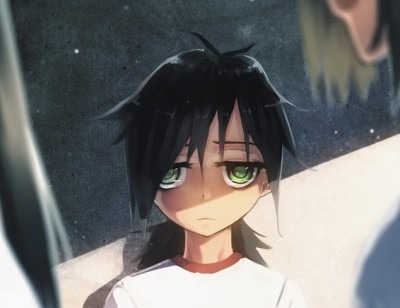
UlasanAnime.com – Upon watching the first episode of Watamote, a common reaction is one of disturbance. This sentiment, as expressed by the author of the linked tweet, is not an unusual response to the series.
http://t.co/ZXoKe44Zkc — Seriously though, peeps. How many were disturbed by WataMote? Is this the right reading?
— Author (@ani_nouto) July 12, 2013
The author elaborates that their own reaction mirrored this discomfort. They posit that while childhood experiences of social awkwardness might not have been as extreme, the show exaggerates a relatable, albeit uncomfortable, truth about social isolation and the struggles of introverted individuals.
The series taps into a shared experience for some viewers, making it resonate and thus enjoyable. For others, it hits too close to home, leading to feelings of humiliation rather than amusement.
This feeling of humiliation is not unique to Watamote. The author draws a parallel to series like Love Hina, where repetitive comedic tropes, such as the protagonist repeatedly walking in on scantily clad characters, can elicit a similar sense of embarrassment, even without a deep personal connection to the character.
Interestingly, Watamote is compared to B Gata H Kei, another anime that centers on embarrassment. However, the author notes a significant difference in tone and focus. While B Gata H Kei is explicitly premised on embarrassment, Watamote, at this early stage, seems to delve more into themes of self-identity and pride, though these are undeniably linked to the core issue of social awkwardness.
You might also be interested in : Little Money College
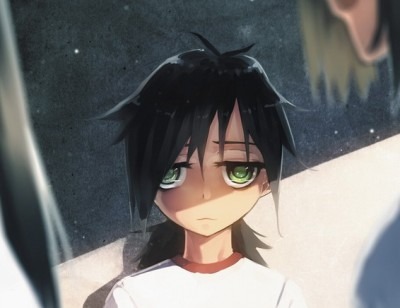
The central irony of Watamote is that it portrays a protagonist struggling to connect due to societal reactions of embarrassment and shame. The author observes that most discussions around the anime, apart from those who find it relatable, lack intense passion or anger.
For those who find the show deeply relatable, the author offers a blessing. For those who find it too uncomfortable, they are encouraged to recognize that they embody the very essence of Watamote’s narrative – either as a part of the societal problem or as a victim who is still grappling with past experiences. The author suggests that most individuals can identify with one of these roles at some point in their lives.
The author proposes that Watamote’s humor stems from self-deprecating jokes targeted at an audience that may not appreciate overtly hurtful humor. They question whether viewers can appreciate a show like ‘8man’ (referring to My Teen Romantic Comedy SNAFU), which also deals with social alienation. The author acknowledges that Watamote isn’t universally enjoyable and many viewers find it off-putting.
However, they argue that those who can appreciate the humor, the slow build-up of awkward situations, and the protagonist’s helpless struggles, are those who can relate to the underlying sense of helplessness that pervades the series. This sense of helplessness, the author implies, is a key element that makes the show compelling for some.
TL;DR – One person’s joke can be another’s insult.