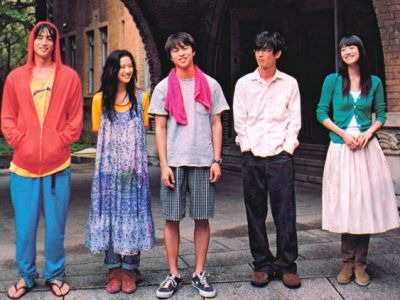
UlasanAnime.com – This article delves into the anime “Uchouten Kazoku,” exploring its thematic depth and cultural resonance, particularly its connection to the Japanese aesthetic of wabi-sabi.
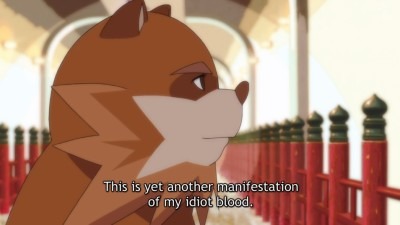
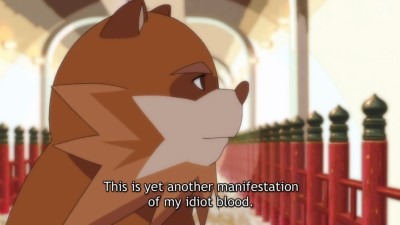
The author expresses a reluctance to discuss “Uchouten Kazoku” due to its profound thematic and characterization elements. The show’s organic alignment with the principles of wabi-sabi makes articulating praise or criticism feel inadequate, as if requiring a background in Asian studies.
This feeling of inadequacy stems from a deeper understanding of the show’s nuances, a realization that goes beyond simply not knowing. It’s a sense of recognizing tools and concepts that are present but beyond the author’s immediate grasp.
For instance, while episode 8 was thematically satisfying, attempts to frame it within existing analytical structures, like referencing Mitsuru Adachi’s work, felt insufficient. The author notes that “Uchouten Kazoku” could be seen as a superset of Adachi’s themes of lost love, but with a greater emphasis on filial piety, leading to an almost self-deprecating comparison to K-dramas.
This reflection evokes a sense of imperfect resignation, a beautiful acknowledgment of imperfection, which the author playfully terms “meta-wabi-sabi.” This leads to a moment of humorous self-awareness.
Moving beyond jokes, the author touches upon a statement by PA Works regarding certain shows appealing primarily to Asian audiences. They believe “Uchouten Kazoku” resonates strongly with East Asians on a cultural and genetic level, not just through the tanuki’s antics, but by tapping into a shared appreciation for beauty found in modesty and subtle imperfection.
You might also be interested in : Anime Otaku, Summer 2013
However, the presence of nudity in the series is acknowledged as a universal point of attraction, reminding the author of the old tengu’s quest for life’s excitement, a sentiment that transcends cultural boundaries.