UlasanAnime.com – This post delves into a personal reflection on the anime series K-ON!, particularly its ending and the author’s connection to it, exploring themes of fandom, commercialization, and the emotional impact of the series.
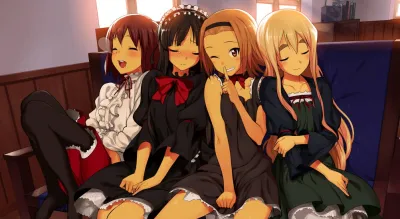
The author expresses a deep connection to K-ON!, especially resonating with the bittersweet conclusion of its second season, which featured a final school festival and a sense of lingering warmth. This ending, particularly Azusa’s farewell, evokes a feeling of “sweet sorrow.” The author ponders if this ending also serves as a goodbye to the audience, musing on the subtle nuances of the series’ image songs, questioning if there was an intentional depth in their arrangement.
Beyond the game K-ON! Houkago Live, the author observes that an overseas fan’s engagement with the K-ON! franchise is increasingly confined to commercial interactions. This realization prompts the author to write about their experience, to articulate the meaning the series has imparted. The author finds this situation somewhat sad, highlighting the transactional nature of fandom.
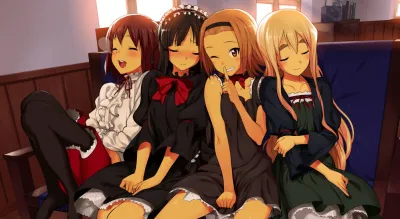 The author draws a parallel to Toyosaki’s blog post after the K-ON! S2 live event, noting that while it was a special experience for attendees, it ultimately represents another anime produced for commercial purposes, albeit with Kyoto Animation’s distinct touch. The author reflects that merchandise like plastic figures or limited edition concert goods cannot reciprocate affection, though a continuation of the manga and subsequent anime might come close.
This leads to the idea that the pursuit of sequels could be a celebration of fan engagement rather than solely a commercial endeavor to profit from loyal fans. The author believes that genuine appreciation for a work can be felt in the small details, indicating the presence or absence of “love” from its creators.
Setting aside feigned sincerity, the author senses that the creators or key individuals involved in K-ON! also shared a similar connection with the series. However, the author laments that the interaction between fans, creators, and the franchise material is mediated by the same “bloodless machine of capitalism” as any other paid product. In contrast, the author suggests that even doujin products sold at Comiket, despite often having shallow or explicit content, at least contain “traces of life.” The author believes fandom could be more meaningful if it embraced genuine expressions of shared passion rather than the prevalent trend of creating popular content solely for quick profit.
Putting doujinshi aside, the author’s primary enduring takeaway from K-ON! over the years has been the creation of great memories. The author regrets not having attended the “Come With Me” live event or hoping for a home video release. Acknowledging that creating memories is not always feasible and often infrequent, the author questions if this infrequency is precisely why those memories are so valued.
While the author may sound unappreciative of the current state of anime fandom overseas, especially regarding local purchases, they do value the work and passion invested in the anime they own, whether through legitimate or other means. The author also appreciates expensive imported versions with English subtitles and occasional dubs. However, compared to fans in the 1980s and 1990s, the aspects of fandom that extend beyond buying and selling anime have not significantly improved. The author points to a saturation of anime conventions in North America as a potential avenue for connecting creators, creations, and fans, but notes that this layer is still obscured by “crud” and “drama.” Yet, this might be considered more “human” than the highly organized marketing machine in Japan, as fans at these events are “here because we love them.”
The author finds it amusing to consider K-ON! S2 within this context. Bringing their own “baggage” to the show, the author analyzes concerts as another venue and framework for interaction between a band and its audience. The author notes that recorded music’s impact has diminished over time, making the “human element” of live performance significantly more impactful for those who did not grow up with such intimate, low-tech musical experiences. The author, having some experience with live music settings, recognizes this. This sentiment is shared by others, explaining why Azusa cried when the girls performed Tenshi ni Fureta yo! and why many viewers were moved to tears watching it. The power of this moment transcends the context of music itself.
You might also be interested in : The Appeal of Mail-Order Goods, or Why Data Is Problematic
This emotional resonance, the author suggests, is why novels and movies often focus on themes of friendship and memories in high school, rather than solely on the nature or evolution of music and its societal impact. However, this is just one facet of human relationships and experiences. The author concludes by noting that K-ON! offers a “gorgeous view from the cliffs of meta,” a perspective of this animated adventure that unfortunately few get to fully appreciate.