UlasanAnime.com – This year marked the 20th consecutive attendance at Otakon for the author, a milestone that also signifies a transition for the convention. Otakon has moved from Baltimore’s Inner Harbor to the Walter E. Washington Convention Center in Washington, D.C., with Otakon ’98 being held in Arlington, VA.
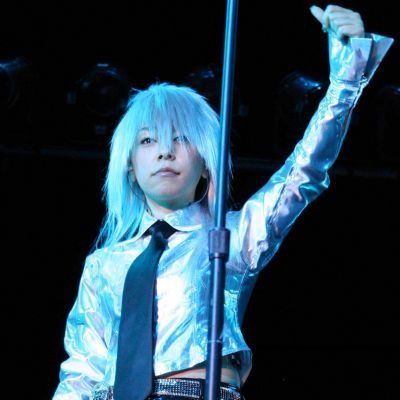
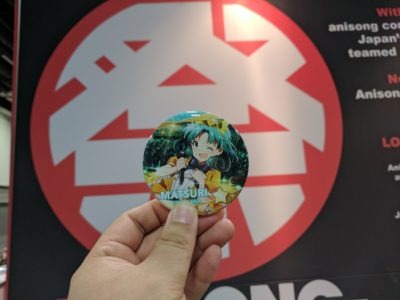
A major draw for Otakon this year was the Anisong World Matsuri, which featured performances by Yousei Teikoku, Flow, TM Revolution, and JAM Project. The convention also hosted a variety of guests, including regulars like Maruyama and Matsubara, Aoki Ei, and notably Tsuchiya Shinba, the lead voice actor for “Welcome to the Ballroom.” Several movie premieres, such as the new Eureka 7 movie and a promo for “This Corner,” were also presented.
The author approached this Otakon with a relaxed mindset, acknowledging the need to adapt to the new convention center, its setup, dining options, hotel, and overall routine. The following are scattered thoughts from the experience.
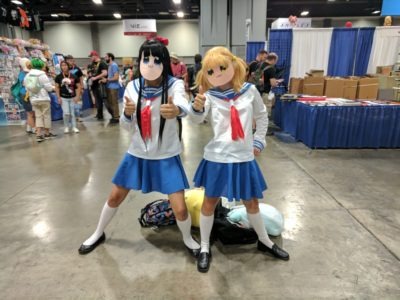
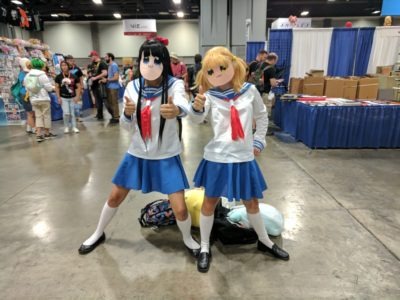
(The author apologizes for being too lazy to crop photos.)
In previous years, the author would arrive on Thursday for an off-kai dinner with friends. This year was similar, though with a smaller group of familiar faces. Some attendees were occupied with setting up the Dealer Room, which prevented their participation. The new location offered numerous decent dining options within walking distance, a significant improvement over the fast-food choices previously available at the Inner Harbor. While the Inner Harbor did have places to eat, their quality was notably lower than those found in the D.C. area.
Due to a personal error, the author had to register at the convention door. This process, utilizing the front entrance of the convention center, effectively sealed off other entry points except for an underground tunnel connecting the Marriott and the Walter E. Washington Convention Center (WEWCC). On Friday morning, this caused congestion at both entrances, with many badge holders unaware they needed to enter via the Marriott. The bag check, however, was generally efficient throughout the weekend, with the exception of the first hour of operations.
The need for at-con registration provided an opportunity to explore the venue. The convention center was noted to be quite cold, especially on Friday morning before the main crowd arrived. This was considered preferable to being too warm. Additionally, severe thunderstorms on Saturday night caused some leaking within the WEWCC, particularly affecting the Artist Alley for a period.
Parking was utilized at a Metro stop. Although parking for over 24 hours is typically not permitted, the weekend parking facilities at the outer lots are unmanned, allowing for weekday parking and weekend exit at no cost. This strategy is recommended, despite adding a significant amount of commute time. For groups of four or more, the author suggests it’s more practical to pay for parking.
Uber was used for transportation around the city, as taking the Metro was not deemed convenient for the group. Ride-sharing was not expensive, especially when split among passengers, and proved particularly worthwhile during rainy conditions, though it did not rain during their stay.
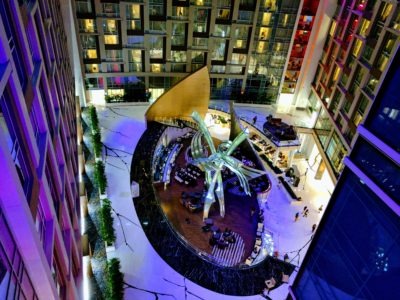
The author stayed at the Marriott Marquis, which was considered a superior hotel compared to those in Baltimore’s Inner Harbor, although the author typically did not stay at the more upscale options there. This choice made Otakon feel more akin to Anime Expo, where the author often stays at the Marriott JW, as both are flagship properties of the hotel chain. The author’s experience at the hotel was positive, partly due to having Marriott status facilitated by AlexD’s coordination, and the complimentary breakfast was a welcome amenity.
The new location is seen as a significant advantage for Otakon. While attendance might have been lower than the previous year, potentially affecting the variety of content and vendors, this year was viewed as a “wait-and-see” period for both attendees and industry professionals, which could explain the drop in attendance.
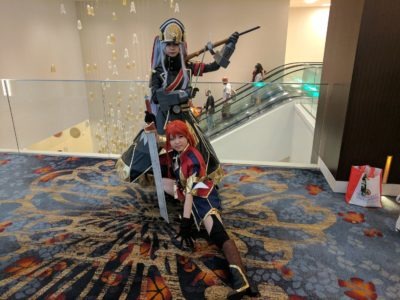
Some of the challenges encountered at Otakon were direct consequences of the venue’s newness. On Friday morning, staff were overwhelmed with attendee inquiries due to the unfamiliarity with the layout and procedures. This impacted staff efficiency on the convention floor, as attendees frequently stopped to ask for directions and information. Consequently, many people ended up in the wrong locations or queues.
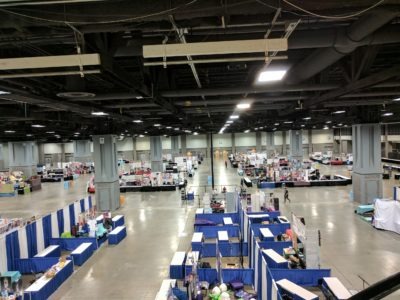
Other issues may not be solely attributed to the new venue. The $100 badge price was mentioned, as was the noticeable emptiness in some parts of the dealer room, the reasons for which remain unclear but could be related to the “wait-and-see” attitude. Otakon also implemented a security check upon entry to the WEWCC, which, while generally quick, sometimes required attendees to forgo carrying bags to expedite the queuing process.
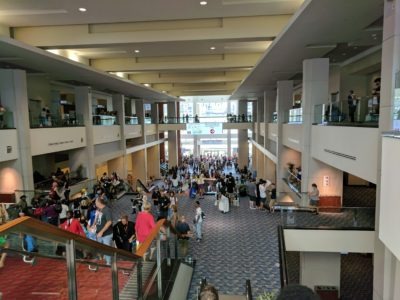
The panel programming at Otakon followed the usual format. Some panels were held in the WEWCC, while others took place in the basement levels of the Marriott, which housed the pedestrian tunnel and meeting spaces. This arrangement generally worked well.
The main ballroom served as the venue for the masquerade and major concerts. Unfortunately, the author was unable to attend The Slants’ performance or panel, though they heard it was well-received. The band performed in the Matsuri space, the location of which was unclear to the author.
The author did attend panels featuring JAM Project and Nishikawa. A recurring, albeit annoying, request for the performers to do the “Nico Nico Nii” pose was noted. However, JAM Project handled it well, to the apparent satisfaction of the audience. Kageyama was described as direct and straightforward, while Makkun’s Saturday yukata attire was highly praised. TMR was characterized as smooth yet down-to-earth.
On Saturday night, the author briefly visited a sports bar connected to the Marriott for drinks with friends. The convenience of such a facility, still serving food past midnight, was appreciated. The bar also provided opportunities for spotting guests, as attendees from both Anisong World Matsuri and Otakon were frequently seen. It was noted that the Marriott has a second tower, offering more privacy than the main building.
It was an unusual experience to find oneself drinking more after Otabrew, but the author and friends arrived late after a lengthy meal at Fogo. By the time they reached the event, it was mostly over. However, the author still managed to take home some notable beers. The French Toast Stout was a particular hit, prompting the author to consider bringing it again. The presence of an Aqours cake was also noted. The author recommends attending Otabrew if an invitation is received.
The author did not attend Otakon on Sunday, prioritizing rest and needing to depart by noon. The day was spent enjoying breakfast with friends and departing under pleasant weather in a more scenic part of Washington D.C.
While this Otakon did not involve extensive participation in activities, the author strongly preferred it over previous years due to the improved location and the inclusion of Anisong World Matsuri. Panels and other events were considered supplementary, with ample opportunities for socializing. The author humorously suggested that time spent opening CDs and entering codes could have been better utilized for a more enjoyable experience.
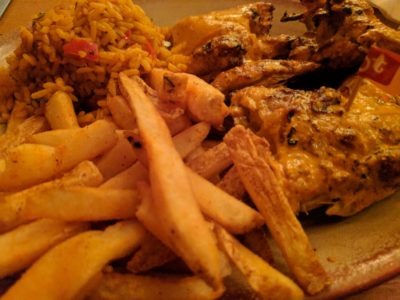
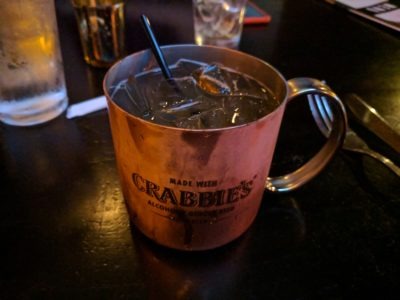
PS. Regarding food, Washington D.C. was a relatively new culinary experience for the author. Despite having visited D.C. numerous times, they had never explored it as a “food tourist.” A visit to Nando’s was deemed essential and satisfying. The pre-convention dinner was at an Irish pub, a choice that may have been coincidental given previous dinners at Tir na Nog in Baltimore. The food was better than in Baltimore, though not particularly remarkable. The author also had their first Moscow Mule served in a copper cup, a current trend that seemed somewhat out of context.
The Marriott offered several decent dining options. The paid breakfast buffet, costing around $30 after tax and tip, was considered worthwhile due to the availability of real crab meat for omelets. The author would have had two if not for fatigue. The overall spread was solid, though not exceptionally noteworthy.
A visit to Fogo de Chão was part of a tradition. While the author feels the group should explore other dining options, they believe their group’s strong preference for Japanese-style cuisine makes it difficult to deviate from such choices, which often do not end well for large groups in their experience.
You might also be interested in : Anirevo Summer 2017: Recap